

Blog
Life After Herpes…and Dreams Coming True

I married the love of my life in May 2026. I found out I was pregnant in June 2026. And as a closure of my single season, shortly after that, I released my first song, Love story, all about the journey of wrestling through my single season.
If I could have told my “2017-newly-diagnosed-herpes-self” how I’m living now, I don’t think she would have believed me.
My life was never over after I had a herpes diagnosis. Instead, it was the precursor to the most amazing season I’ve ever lived. (And it’s …
Why Doctors Won't Even Test You for Herpes, Unless You're Showing Symptoms

Imagine. You go in for your annual exam, you ask for the "full panel" of STI tests, and you leave feeling responsible and relieved. Then you get your results back and may notice something missing. Herpes. They didn't test you for it.
Or, more commonly: you notice all negatives and you're happy with that. I'm clear, you say. Right?
Right?
Whether you notice or not, whether you call your doctor and ask why, or you simply think they have a good reason for it, it does feel a bit weird, doesn't it…
What If You Didn't Have Herpes? How Much Would Life Really Change?

Let's do a little thought experiment.
Imagine you wake up tomorrow and somehow, magically, the herpes virus is gone. Poof. Vanished. You test negative on every blood test. No more outbreaks. No more shedding. No more disclosure conversations. No more stigma.
How different would your life actually be?
If you're like most people, your brain immediately jumps to all the ways it would be so much better. Dating would be easier. Sex would be less stressful. You wouldn't have to have that awkward co…
So You Tested Positive for Herpes But Never Had Symptoms
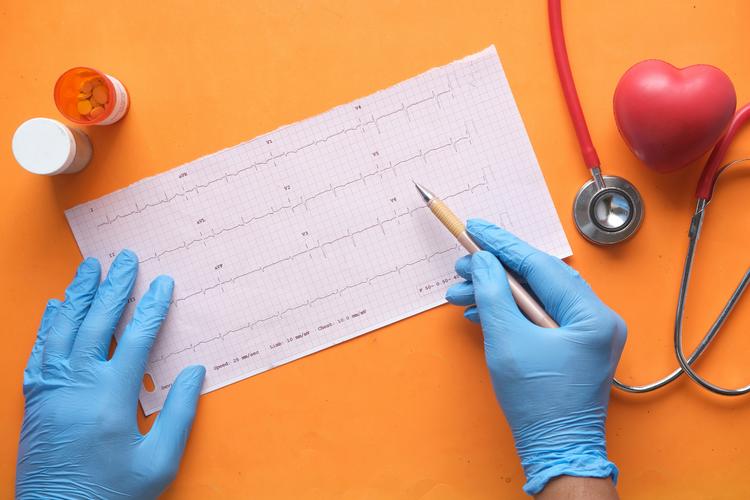
Let me paint you a picture. You went in for a routine checkup. Maybe you asked for a "full panel" of STI tests because you're responsible like that. Or maybe a new partner asked you to get tested before things got physical. You weren't worried. You felt fine. No weird bumps, no itching, no pain.
Then the results come back. Positive. For herpes.
Your first thought is probably something like: But I've never had a single symptom. How is this possible? Did they mix up my results? Am I actually …
It's Easier for Men Having Herpes... No Wait, It's Easier for Women Having Herpes...
Or: The grass is always greener on the other side.
I can't tell you how many times I've heard this. Someone in a support group says, "Honestly, it's so much easier for women to disclose. Men don't care as much." And then someone else chimes in, "Are you kidding? It's way easier for men. Women are more understanding and forgiving."
Sound familiar?
We've all done it. We look at someone else's situation and think, If only I had what they have, this would be so much easier. The single person envi…
Does Herpes Live in Bodily Fluids?

If you've ever found yourself googling at 2 AM whether you can catch herpes from a shared drink, a toilet seat, or a casual hug—you're not alone. The internet is full of conflicting information, and let's be honest, some of it is straight-up terrifying.
So let's clear things up. Here's the real deal about how herpes spreads, what's actually a risk, and what you can stop worrying about.
Can I get herpes by sharing?
The Short Answer: Yes, But It's Complicated
Herpes simplex virus can be p…
How to Talk About Herpes

For many people, learning they have herpes isn't the hardest part.
It's the stigma.
Herpes is not particularly dangerous. It doesn't change who they are.
But they've absorbed years of messages telling them that herpes is something shameful, life-altering, relationship-ending, and somehow different from every other common virus.
But, it can be taught. You can learn how to talk about herpes.
Accept Herpes as a Fact, Not an Identity
Before you learn how to talk about herpes with someone e…
Hormonal Changes and Periods Can Cause Herpes Outbreaks

Why your monthly cycle might be triggering the virus
So many of women we talked to, experience outbreaks around the time of their periods. A few days prior, or on the mark - here they come, together. A herpes outbreak and your monthly period.
If you've noticed the same thing, you're not alone. Research confirms that hormonal fluctuations throughout your menstrual cycle can directly influence herpes reactivation.* A 2022 study found that "cyclic hormonal changes associated with the menstrual cy…
Does Herpes Medication Have Any Side Effects?
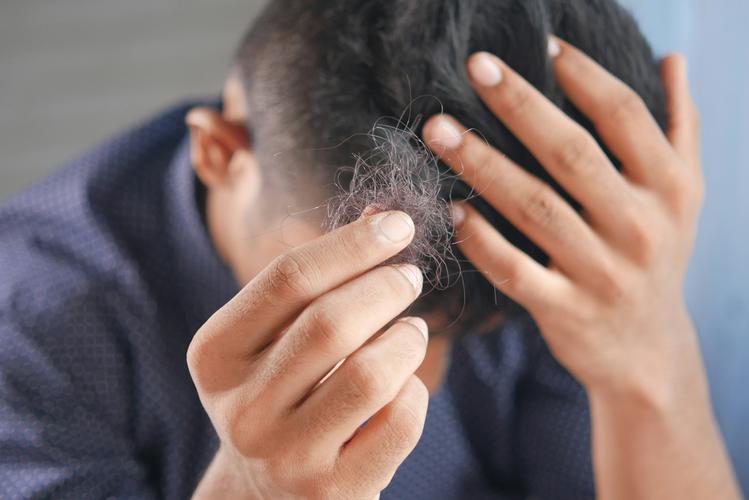
Let's be real for a moment. When I first started taking antivirals for herpes, I thought: "Thank goodness, this will put things under control." But with time, I started wondering: "...what is this doing to my body?"
If you've ever stared at a bottle of valacyclovir or acyclovir and wondered the same thing, you're not alone. It's a good question. A responsible one. Let's talk about it openly, without the fear-mongering and without pretending everything is perfect.
The Big Three: Acyclovir, Vala…
Had I Been Intimate With My Husband With an Active Herpes Outbreak
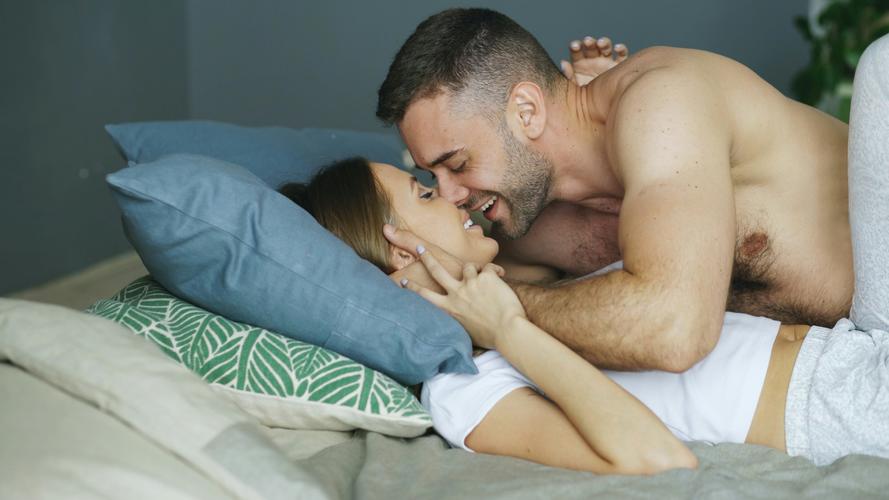
Two real scenarios from my own marriage and the conversations that saved us.
I'm Alexandra. I've been married to my husband for several years, and like many of you living with herpes, I've had to figure out what intimacy looks like when my body throws me a curveball. I've learned something that might surprise you: having an active outbreak doesn't always mean putting your sex life on ice forever. But it does mean having some real conversations.
My story isn't about being reckless. It's about b…