

Blog
Herpes 101
Herpes Questions People Are Asking: And Their Answers, pt.1

We've seen a pattern throughout the years when it comes to herpes. People ask the same qustions. So, we've decided to make a series with short answers, and trying to provide more resources if you want to dig deeper. So, here we go.
Some are practical. Some are emotional. Some you're afraid to even ask out loud.
Can I date with herpes?
Short answer: Yes, you can date with herpes. And yes, people will date you.
Dating with herpes isn't about if you can do it—it's about how. The key is disclo…
The Myth: You Can Spot Herpes Just by Looking

You think you'll be able to tell if somebody has herpes - and let me tell you why this is false.
Why You Can't See It
Most People Have No Symptoms at All
The CDC states that most people with genital herpes have no symptoms or have very mild symptoms. The World Health Organization confirms that "most HSV infections are asymptomatic or unrecognized".
Translation: The majority of people carrying the virus don't even know they have it—because they've never had a single visible sore.
So if you'r…
3 Ways How Herpes Is Diagnosed
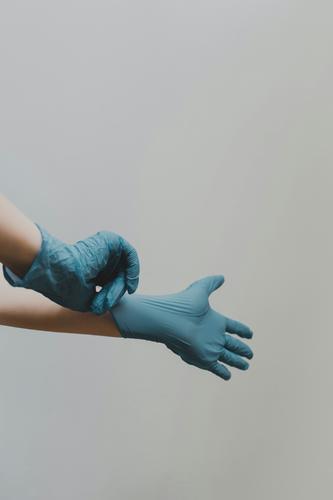
Method 1: The Physical Exam (A First Look)
What It Is: A healthcare provider looks at any blisters or sores you have and asks about your symptoms and sexual history.
When It's Used: When you have visible symptoms—blisters, ulcers, or sores in the genital or oral area.
The Catch: A physical exam alone should never be the final diagnosis. Why? Because herpes sores can look like other conditions—ingrown hairs, razor burn, syphilis, or even a bad pimple. Visual inspection is a starting point, not…
Can You Be a Nurse With Herpes?

Spoiler alert: having herpes doesn’t disqualify you from a nursing career. But let’s talk about what actually matters — patient safety, standard precautions, and your peace of mind.
We've seen this question enough times to decided it needs to be put in a blog, and to explain what it means to be a nurse with herpes.
On the other hand, we've seen people being afraid whether they can be cared by somebody with herpes - being a nurse, or a family member.
Let me give you the short answer first:…
Why Is There Never a 0 Result on a Herpes Test?

A number on your herpes test. But it's not 0.00. It's 0.4. Or 0.7. Or maybe 0.2.
And your brain immediately goes: Wait. I thought I was negative. Why isn't it zero? Does this mean I have some herpes in me? Is this a false negative?
Let's get the basics of testing.
How Herpes Blood Tests Actually Work
First, it helps to understand what the test is actually measuring. A herpes blood test doesn't look for the virus itself. It looks for antibodies—proteins your immune system produces when it's …
Why Doctors Won't Even Test You for Herpes, Unless You're Showing Symptoms

Imagine. You go in for your annual exam, you ask for the "full panel" of STI tests, and you leave feeling responsible and relieved. Then you get your results back and may notice something missing. Herpes. They didn't test you for it.
Or, more commonly: you notice all negatives and you're happy with that. I'm clear, you say. Right?
Right?
Whether you notice or not, whether you call your doctor and ask why, or you simply think they have a good reason for it, it does feel a bit weird, doesn't it…
What If You Didn't Have Herpes? How Much Would Life Really Change?

Let's do a little thought experiment.
Imagine you wake up tomorrow and somehow, magically, the herpes virus is gone. Poof. Vanished. You test negative on every blood test. No more outbreaks. No more shedding. No more disclosure conversations. No more stigma.
How different would your life actually be?
If you're like most people, your brain immediately jumps to all the ways it would be so much better. Dating would be easier. Sex would be less stressful. You wouldn't have to have that awkward co…
So You Tested Positive for Herpes But Never Had Symptoms
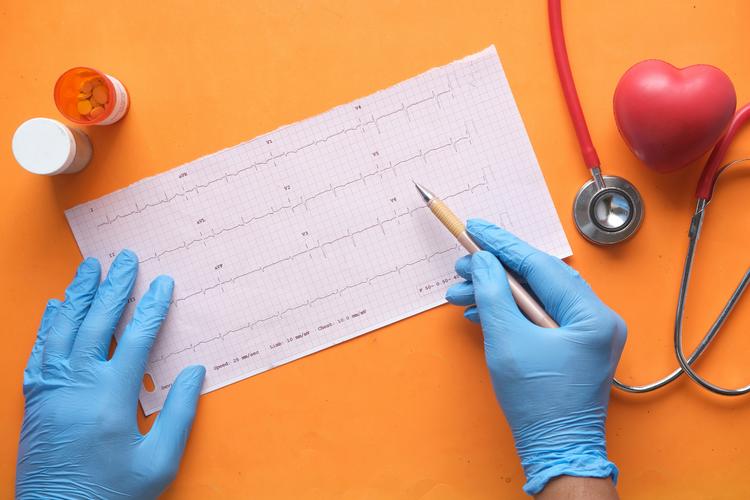
Let me paint you a picture. You went in for a routine checkup. Maybe you asked for a "full panel" of STI tests because you're responsible like that. Or maybe a new partner asked you to get tested before things got physical. You weren't worried. You felt fine. No weird bumps, no itching, no pain.
Then the results come back. Positive. For herpes.
Your first thought is probably something like: But I've never had a single symptom. How is this possible? Did they mix up my results? Am I actually …
It's Easier for Men Having Herpes... No Wait, It's Easier for Women Having Herpes...
Or: The grass is always greener on the other side.
I can't tell you how many times I've heard this. Someone in a support group says, "Honestly, it's so much easier for women to disclose. Men don't care as much." And then someone else chimes in, "Are you kidding? It's way easier for men. Women are more understanding and forgiving."
Sound familiar?
We've all done it. We look at someone else's situation and think, If only I had what they have, this would be so much easier. The single person envi…
Does Herpes Medication Have Any Side Effects?
Let's be real for a moment. When I first started taking antivirals for herpes, I thought: "Thank goodness, this will put things under control." But with time, I started wondering: "...what is this doing to my body?"
If you've ever stared at a bottle of valacyclovir or acyclovir and wondered the same thing, you're not alone. It's a good question. A responsible one. Let's talk about it openly, without the fear-mongering and without pretending everything is perfect.