

Ocular Herpes: What It Is, What It Isn’t, and How to Stay Safe
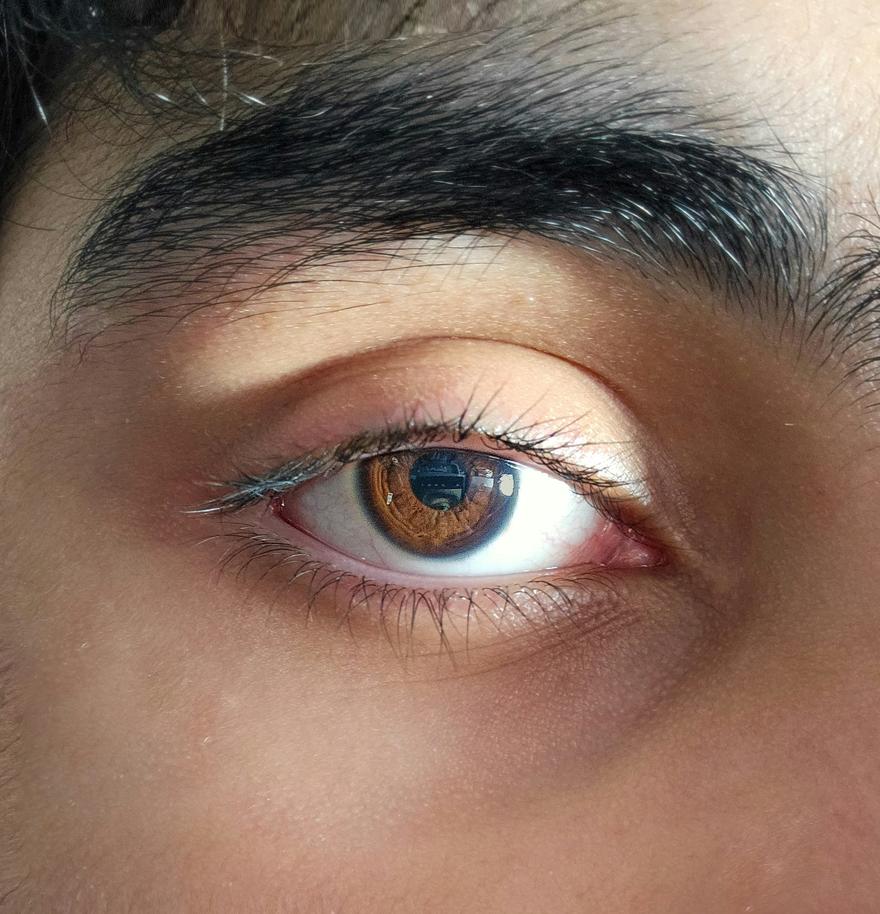
When you hear the word herpes, you probably think of oral cold sores or genital outbreaks. But herpes can also affect the eyes — a condition called ocular herpes or herpes keratitis.
The idea of herpes affecting the eye understandably sounds alarming, but the good news is:
✔ It’s treatable
✔ It’s usually mild when managed promptly
✔ It doesn’t happen just because you have oral or genital herpes
Let’s break it down.
What Is Ocular Herpes?
Ocular herpes is an infection of the eye caused by the herpes simplex virus (HSV) — most often HSV-1, the same virus that causes cold sores.
It typically affects the cornea, the clear front surface of the eye, but sometimes can involve deeper eye structures.
How Common Is It?
It’s relatively uncommon.
Most people with oral HSV-1 will never develop ocular herpes.
It usually happens when:
- HSV-1 travels through nerves to the eye (rare), or
- The virus is transferred directly from a cold sore to the eye (for example, touching a cold sore and then rubbing your eye)
This is why hand hygiene—especially during a cold sore outbreak—is important.
Symptoms of Ocular Herpes
Ocular herpes can feel similar to a typical eye infection or irritation. Symptoms may include:
- Red, watery eyes
- Sensitivity to light
- Feeling like something is stuck in the eye
- Blurry vision
- Eye pain
- Swelling around the eye
If you ever have these symptoms — especially if you have a history of HSV-1 — it’s important to get checked quickly. Early treatment prevents complications.
Is It Dangerous?
When untreated, yes, ocular herpes can cause complications.
But when treated early, most cases are mild and resolve well with medication.
Serious issues (like scarring) tend to occur only when infections are ignored or recur many times without treatment.
Can You Pass Ocular Herpes to Someone Else?
Not in the way you might think.
You cannot spread ocular herpes just by having an infection inside your eye.
But you can spread HSV-1 when you have an active cold sore.
The eye is vulnerable, so the biggest risk is self-inoculation — transferring the virus from your mouth to your eye with your hands.
How to Prevent Ocular Herpes
These steps significantly lower your risk:
1. Avoid touching your eyes during cold sores
If you need to apply cream, use a cotton swab or wash your hands immediately after.
2. Practice good hand hygiene
Soap + water is your best friend during outbreaks.
3. Don’t share
Towels, makeup, eye drops, contacts, or pillowcases during an active outbreak.
4. Manage your triggers
Stress, illness, weakened immunity, or UV exposure can lead to reactivation.
Supporting your immune system, staying hydrated, and prioritizing sleep all help.
5. Wear sunglasses in bright light
UV exposure can irritate the eyes and sometimes provoke reactivation.
How Is Ocular Herpes Treated?
Treatment depends on where the infection is:
- Antiviral eye drops or ointment
- Oral antivirals (similar to those used for genital/oral outbreaks)
- Steroid eye drops (only when prescribed, as incorrect use can worsen symptoms)
Most people recover fully when treated promptly.
Reincfecting yourself
A lot of people worry that they might accidentally “give themselves” ocular herpes by touching a cold sore and then touching their eye. While self-inoculation can happen, it’s actually much less common than people assume.
Here’s why:
Once your body has already developed antibodies to HSV-1 (after your first infection), those antibodies help protect the rest of your body — including your eyes — from being infected again. This makes true reinfection unlikely.
Most cases of ocular herpes don’t happen because someone reintroduced the virus to their eye. Instead, they occur due to:
- A first-time HSV-1 infection that happened to activate in eye nerves rather than lip nerves, or
- A rare reactivation of the virus traveling along a different nerve pathway
In other words: people who get ocular herpes didn’t cause it by “messing up” or touching a cold sore once. And once you’ve had HSV for a while, your immune system makes self-inoculation even more rare.
Outer eye infection vs. corneal infection
There are two main forms of ocular herpes, and how often it comes back depends on which type you had:
1. Herpes Simplex Blepharitis / Conjunctivitis (Outer-Eye Infection)
This is the more common, milder form.
- Affects the eyelid or the white part of the eye
- Often happens once
- Many people never get it again
- If it does return, it’s usually less severe
For many, this type behaves similarly to a cold sore that just happened to show up near the eye, not on the lip.
So yes — this type can definitely be a one-time event.
2. Herpes Keratitis (Corneal Infection)
This is the more serious type because it affects the cornea (the clear surface over the iris).
- More likely to recur
- Recurrence rates vary: about 20–30% may have another episode within a year
- Can be triggered by stress, illness, UV light, trauma, or dryness
- Repeated episodes can increase risk of scarring, which is why prevention matters
Doctors sometimes prescribe daily antiviral medication to people with repeating corneal involvement to reduce flare-ups.
If herpes stayed superficial (eyelid, conjunctiva), recurrences are less common.
If it reached the cornea or deeper nerves, the chances of reactivation are higher — similar to how some people get frequent cold sores while others rarely get them.
Does Ocular Herpes Mean Something Is Wrong with Your Immune System?
No — this is a common misconception.
Having ocular herpes does not mean your immune system is weak or compromised.
It only means the virus reactivated in a particular nerve pathway, which happens in a small percentage of HSV-1 carriers.
Living With Ocular Herpes
For most people, ocular herpes happens once and never returns.
A smaller percentage may experience recurrences, which can be managed with:
- Preventive antivirals
- Eye doctor follow-ups
- Trigger management
- Protective eyewear outdoors
With proper care, people with ocular herpes live totally normal lives and maintain healthy vision. Take your antivirals, when you have an outbreak, take your supplements and treat your eyes with care: Keep your sunglasses on and keep them moistened (especially if you live in an area where you have dry air, this is something you need to be careful about.)

0 comments
Leave a comment
Please log in or register to post a comment