

Can Herpes Be Mistaken for Something Else?
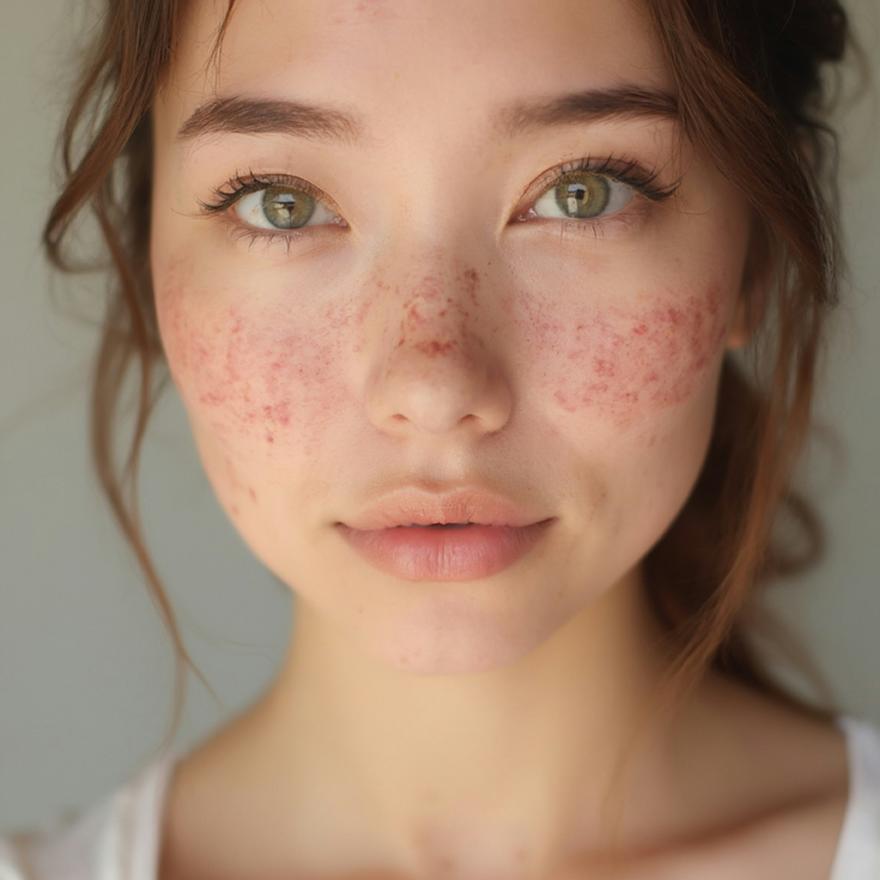
One of the most confusing things about herpes is that it doesn’t always look the way people expect it to. Many people imagine herpes as obvious clusters of blisters that are painful and impossible to miss. (And Google doesn't help with that really). But in reality, herpes can look like many other common skin conditions — and other conditions can sometimes look like herpes.
Because of this, herpes is both misdiagnosed and missed more often than people realize.
Let’s look at what herpes can be mistaken for — and what can sometimes be mistaken for herpes.
When Herpes Looks Like Something Else
Herpes outbreaks can vary a lot from person to person. Some people get classic blisters, but others experience very subtle symptoms that resemble everyday skin issues.
Here are some of the most common things herpes can be mistaken for.
Ingrown hairs or razor burn
This is probably the most common mix-up, especially in the genital area. After shaving, small bumps or irritated follicles can look similar to early herpes lesions.
Herpes bumps may also appear where hair grows, making them easy to mistake for an ingrown hair. Many people only realize later that it wasn’t razor irritation when the spot becomes more tender or develops into a small blister or sore.
Pimples or acne
Small herpes blisters can sometimes resemble pimples. Because of this, people may try to treat them with acne products, thinking they are just clogged pores or skin irritation.
Yeast infections
Some women experience itching, irritation, and redness during a herpes outbreak — symptoms that can easily be mistaken for a yeast infection. If sores are very small or internal, they might not be immediately visible.
Urinary tract infections (UTIs)
Genital herpes can sometimes cause burning during urination, which leads people to believe they have a UTI. In reality, the irritation may be coming from tiny sores that are difficult to see.
Skin irritation or friction
Tight clothing, exercise, or sexual activity can cause redness or sensitivity in the genital area. Because herpes outbreaks can also start with irritation or soreness, people often assume it’s simply friction.
Canker sores or chapped lips
Oral herpes (cold sores) can sometimes be confused with canker sores, dry lips, or small mouth injuries.
When Something Else Looks Like Herpes
The confusion can also go the other way. Sometimes people think they have herpes when the cause is something completely different.
A few conditions that can resemble herpes include:
- Folliculitis (infected hair follicles)
- Contact dermatitis from soaps, lubricants, or laundry detergent
- Yeast infections
- Bacterial infections
- Allergic reactions
- Friction blisters
- Molluscum contagiosum
- Skin cysts
Because many skin conditions cause redness, bumps, or irritation, it can be difficult to tell the difference without medical testing.
Symptoms People Often Miss Because They Don’t Seem “Herpes-Like”
Another challenge is that herpes doesn’t always start with visible sores. Some early symptoms are easy to dismiss because they seem unrelated.
These can include:
- Tingling or itching in the skin
- A mild burning sensation
- Nerve-like pain in the legs or buttocks
- Flu-like symptoms during a first outbreak
- Fatigue or body aches
- A small crack or cut in the skin rather than a blister
Sometimes people only realize later that these were the early signs of an outbreak.
Why Diagnosis Can Be Tricky
Even doctors sometimes rely on visual diagnosis, which can lead to mistakes if symptoms are subtle or resemble other skin conditions.
The most accurate way to confirm herpes is through testing, such as:
- A PCR or swab test from an active sore
- A blood test that detects HSV antibodies
Testing can provide clarity when symptoms are confusing or recurring.
The Bottom Line
Herpes does not always look the way people expect. It can be mistaken for everyday skin issues like razor burn, pimples, yeast infections, or irritation. At the same time, many other conditions can look similar to herpes.
Because of this overlap, it’s important not to jump to conclusions based on appearance alone.
If symptoms keep coming back, feel unusual, or don’t heal as expected, testing can help provide answers and peace of mind.
Sometimes people don't want to know, and avoid getting tested, in fear that the test will come out positive. Don't do that. You would rather know the truth, and have a piece of mind on what's actually going on, than constantly bothering 'what if'. When you know, you can communicate properly with your partner. You can protect yourself, in case you have one STD, and not the other. We do not suggest you take it as: What you don't know, can't hurt you. It will only make you more anxious every time there's a slight itch or pimple that may be herps.
At the end of the day: herpes is incredibly common. Whether a symptom turns out to be herpes or something else, getting accurate information is always the most helpful step forward.

0 comments
Leave a comment
Please log in or register to post a comment