

So You Tested Positive for Herpes But Never Had Symptoms
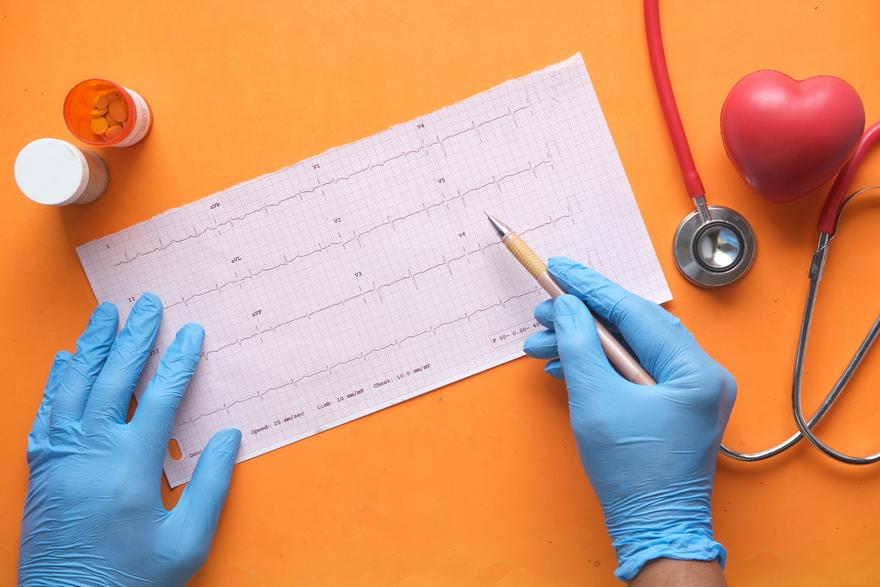
Let me paint you a picture. You went in for a routine checkup. Maybe you asked for a "full panel" of STI tests because you're responsible like that. Or maybe a new partner asked you to get tested before things got physical. You weren't worried. You felt fine. No weird bumps, no itching, no pain.
Then the results come back. Positive. For herpes.
Your first thought is probably something like: But I've never had a single symptom. How is this possible? Did they mix up my results? Am I actually contagious? Do I have to tell people?
Breathe. I've talked to so many people in the Secret Society who got this exact kind of diagnosis—a positive blood test with zero history of outbreaks. And the confusion, the anxiety, the identity crisis that follows? It's real.
Wait, You Can Have Herpes and Never Have Symptoms?
Yes. Absolutely yes. And honestly? It's more common than having symptoms.
Up to 80% of people with HSV-2 don't know they have it because they've never had noticeable symptoms. That's right—eight out of ten people walking around with genital herpes have no idea. Most people who have HSV-1 or HSV-2 simply don't have symptoms.
So when you get a positive blood test but you've never had an outbreak, you're not some medical anomaly. You're actually in the majority.
Sometimes people do have symptoms but they're so mild they get mistaken for something else. A tiny bump that looks like an ingrown hair. A crack in the skin that you assumed was from friction. Women can have internal outbreaks along the vaginal barrel or on the cervix and never even see them. Other times, people mistake symptoms for a pimple or an ingrown hair.
And sometimes? There truly are zero symptoms. The virus is just there, dormant, living in your nerve cells, not causing any drama.
How Does a Blood Test Even Work?
Here's something important to understand. A herpes blood test doesn't actually detect the virus itself. It looks for antibodies—the immune system's response to the virus. If you have IgG antibodies, it means your body has been exposed to the virus at some point.
A positive IgG test tells you that you've been infected with that strain somewhere on your body. But here's the catch: it doesn't tell you where. It doesn't tell you when you got it. And it doesn't tell you whether you'll ever have symptoms.
For people with no history of lesions, a positive blood test may simply indicate that the primary infection was asymptomatic. You got it, your body fought it off, and you never even noticed.
But Are These Tests Even Accurate?*
Herpes blood tests have real limitations. They don't actually detect the virus itself—they look for antibodies, the immune system's response to it. But here's where it gets complicated.
The most commonly used test, the HerpeSelect HSV-2 enzyme immunoassay (EIA), has a significant problem with false positives, especially at low index values. An index value above 1.1 is considered positive, but experts generally regard values between 1.1 and 3.5 as a "low positive" range.
And here's the statistic that might surprise you: multiple studies show that only about 35 percent of low-positive results are confirmed as true positives when retested with the more accurate Western blot test. That means 50 percent or more of the results in this range could be false positives.
Okay, It's Real. Now What?
Let's say you've done the confirmatory testing and the result is still positive. You have HSV antibodies in your blood. You've never had symptoms. Now what?
First, understand what this means for transmission. Even without symptoms, you can still shed the virus and potentially transmit it to partners. Asymptomatic carriers can spread the virus through a process called viral shedding, where the virus becomes active on the skin without causing noticeable outbreaks. Most people actually acquire herpes from partners who didn't know they were carriers.
But here's the good news: knowing your status allows you to take steps to reduce transmission risk significantly. You're not helpless. You're informed.
Second, consider your options for managing this. Even without symptoms, some people choose to take daily antivirals to reduce the risk of shedding. Others prefer a natural approach—supplements like lysine, monolaurin, and andrographis that support the immune system. (I'll talk more about andrographis in a moment because it's been a game changer for me.)
Third—and this is the big one—you need to think about disclosure.
Why Do False Positives Happen?
There are a few reasons:
Cross-reactivity with similar viruses. This is the big one. Your immune system produces antibodies that can sometimes react with similar-looking molecules from other viruses in the herpes family. These include Varicella zoster virus (VZV)—the virus that causes chickenpox and shingles—and cytomegalovirus (CMV). The antibodies your body made to fight off chickenpox years ago might confuse the test into thinking you have HSV.
Cross-reactivity between HSV-1 and HSV-2. There is considerable homology between HSV-1 and HSV-2 antigens, meaning antibodies formed against either virus are highly cross-reactive. If you have HSV-1 antibodies (which most people do from cold sores), the test might pick them up and incorrectly flag you as positive for HSV-2.
Lab errors or sample issues. Improper storage and handling of the blood sample can also cause false results.
**Don't forget: If you were newly infected, it could be that your antibodies level is low because your body is building up a defense. In that case, a low positive will in time become 'of normal values' to be considered a positive.
Do I Have to Tell People If I've Never Had Symptoms?
This is the question that keeps people up at night.
Here's my honest take: yes. Because even without symptoms, you can still transmit the virus. Your partner deserves to make an informed decision about their own sexual health. That's not about shame. That's about respect.
Here's a good way to disclose herpes if you don't have any symptoms: "I have antibodies for this virus in my blood. I've never had symptoms, but I can still shed the virus. I'm a bit lost at it too, but I feel you have the right to know. What questions do you have?"
The Natural Approach That's Helped So Many of Us
One of the best supplements for a herpes-negative partner is for them to take Andrographis. Some studies suggest it can actually help prevent the herpes virus from entering your cells in the first place. It interrupts the virus's ability to dock onto your cells and replicate. I take it daily, and it's been a game changer for keeping outbreaks (and shedding) at bay, as well as protecting your negative partner.
If there's one thing I want you to take away from this post, it's this: you are not alone. Millions of people have herpes and don't know it. Millions more know and are navigating the exact same questions you're asking right now.
That positive blood test doesn't change your body. It doesn't change who you are. It just gives you information you didn't have before. And information is power. Now you know. Now you can make choices. Now you can protect yourself and the people you care about.
references

0 comments
Leave a comment
Please log in or register to post a comment