

Do We Really Need to Disclose Herpes?
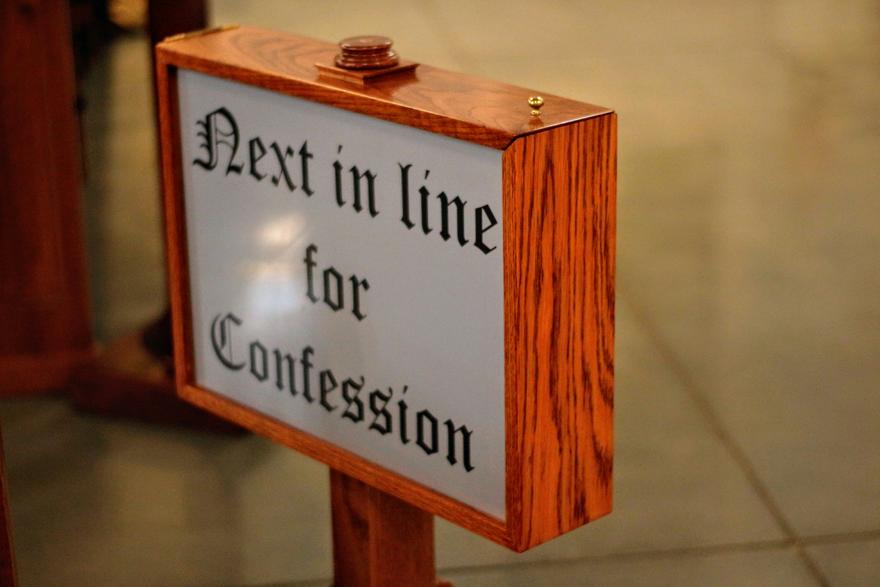
Let’s be real for a second. If you have herpes, there’s probably a question that has rattled around your brain at least once, usually at 2 a.m. when you’re overthinking every life decision you’ve ever made: Do I really need to disclose this?
It’s a fair question. It usually comes from a place of fear—fear of rejection, fear of being labeled, or fear of that awkward silence that feels like it lasts an eternity. We live in a world where the standard STI panel doesn’t even include herpes testing unless you specifically ask for it (wild, right?), and where the majority of people carrying the virus have no idea they have it . So, if no one else is talking about it, why should we have to carry the weight of "The Talk"?
The Unspoken Rule
First, let's tackle the elephant in the room: the legality and morality of it all. In many places, there is no specific law that requires you to disclose a herpes diagnosis to a partner, but some states and countries require that. Legally, the waters can be muddy and vary depending on where you live. However, living a good life—the kind of life we focus on here at Life With Herpes—isn't really about just skating by the legal lines. It’s about building connections that don’t crumble the second reality hits.
We have to ask ourselves: what kind of relationship do we want to build? One study found that when people disclosed their status, the average time for transmission to a partner was 270 days, compared to just 60 days for those who didn’t disclose . That delay isn't just about the physical; it’s about the trust built in that time.
When you disclose, you’re not just giving someone a medical fact; you’re giving them the chance to be your partner, your teammate. You’re saying, "I respect you enough to let you make an informed decision." And honestly? That level of respect is the foundation of literally every great relationship ever.
But What About the Rejection?
Ah, the "R" word. It’s the scariest part of the whole process. We build the conversation up in our heads, imagining the worst-case scenario. But here is some data that might make you breathe a little easier: Research shows that most people actually react well. In fact, the majority of people with herpes who disclose to a partner report low levels of negative reactions.
Think about that. The monster under the bed is often just a shadow.
One of the primary reasons people choose not to disclose is a fear of stigmatization . But here’s a little secret weapon: the way you present the information dictates how it is received. If you treat the conversation like a confession, like you’re admitting to a crime, your partner is going to feel like they’re sitting in on a parole hearing. But if you treat it like what it is—a common skin condition that 1 in 5 people under 50 navigate every single day —then you set a totally different tone.
Introducing Your New Best Friend: The Tell Your Partner Toolkit
So, we’ve established that disclosing is probably the move if you want a relationship built on honesty and trust. But we haven’t addressed the other half of the equation: How do you actually do it without wanting to throw your phone out the window or hide under the couch?
This is where we get to the good stuff. You don't have to reinvent the wheel or rely on cheesy pickup lines to have this conversation. You need a strategy. You need confidence. And sometimes, you need a little script to pull from so you don't accidentally ramble about the weather before dropping a health bomb.
That’s exactly why the Tell Your Partner Toolkit exists. It’s designed to take the guesswork out of the conversation. Think of it as your rehearsal space. Inside, you’ll find the tools to figure out your "why," the language to use that feels natural (not like you're reading a medical textbook), and the confidence boosters to remember that you are a catch—herpes and all.
This toolkit helps you move from that fearful 2 a.m. overthinking session to a calm, 7 p.m. coffee date conversation where you can actually connect with someone. It helps you shift the narrative from "I have to tell you something bad" to "I want to share something about my health so we can move forward safely."
Ready to flip the script on dating? You can grab the Tell Your Partner Toolkit right here and start building that confidence today.
Let’s Talk About It Like Adults (Who Are Also a Little Awkward)
Okay, so you’ve got the toolkit. You’re feeling empowered. But what does the actual conversation sound like?
You don’t need to be a poet. You just need to be human. You might start by asking your partner when they were last tested—making it a two-way street of sexual health rather than an interrogation . Then, you share your status with the same casual confidence you'd share that you take a daily vitamin or that you’re trying to drink more water.
Something like: "I really like you, and because I like you, I want us to be on the same page about health stuff. I have herpes. I manage it with [supplements/meds/lifestyle], and it’s just a thing my body does sometimes. What questions do you have?"
Simple. Honest. No drama.
The goal is to make it clear that this is just one tiny part of your very awesome, very complete life. It’s not the headline. It’s a footnote.
You Are Not Alone in This
Navigating disclosure can feel isolating, but it doesn't have to be. The fear of telling someone new can bring up a lot of old emotions—maybe even echoes of how you felt when you were first diagnosed. It’s a journey, and you don’t have to walk it solo.
There is an entire community of people out there who are dating, falling in love, getting married, and living their best lives with herpes. We share tips, we share stories, and we remind each other that we are more than a diagnosis. It’s a pretty great place to be.
If you're looking for that reminder, for a group of people who just get it, you should definitely join the Secret Society. It’s our little corner of the internet where we support each other, share wins, and navigate this life together. Because honestly, life is better with a team.
So, do we really need to disclose? At the end of the day, we do it not because we have to, but because we want to build relationships that matter. We do it because we respect ourselves and our partners enough to have the real conversation. And we do it with the knowledge that we are armed with the facts, the tools, and a community that has our backs. The right person won't be scared off by your honesty; they'll be drawn to it. And when you have the right tools in your pocket, that conversation stops being a mountain to climb and just becomes another step on the path to connection.

0 comments
Leave a comment
Please log in or register to post a comment