A Balanced Look at the Science Behind This Popular Supplement
If you've spent any time in herpes support communities or browsing wellness aisles, you've likely heard about lysine. This essential amino acid has become a go-to supplement for many people living with herpes, with countless anecdotal reports of fewer outbreaks, faster healing, and milder symptoms.
But what does the actual science say? Is lysine genuinely effective, or is it just another well-marked supplement riding on wishful thinking?
Let's dive into the research—the good, the mixed, and the honest—so you can make an informed decision about whether lysine belongs in your wellness toolkit.
First, a Quick Refresher: What Is Lysine?
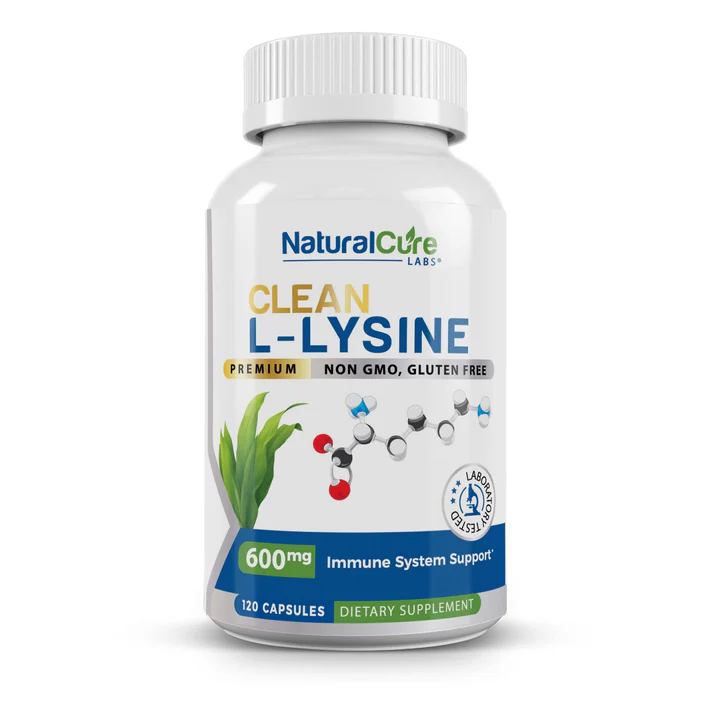
Lysine (also called L-lysine) is an essential amino acid — your body cannot make it, so you must get it from food or supplements. It plays roles in protein synthesis, calcium absorption, immune function, and more — but for herpes management, the key lies in lysine’s relationship with arginine.
The Science: How Lysine Might Work Against Herpes
Lab research shows that the herpes simplex virus (HSV) requires arginine for replication. Lysine, which is structurally similar, can compete with arginine and inhibit viral replication in cell culture. When arginine is limited or lysine levels are high, HSV replication is reduced in vitro — the basic biochemical mechanism underlying the lysine theory.
➡️ PubMed: “Relation of arginine-lysine antagonism to herpes simplex growth in tissue culture”
This provides a plausible mechanism for why lysine might impact outbreaks in people.
What the Clinical Research Shows
The Positive Findings
1. Controlled Clinical Trial (1987):
A double-blind, placebo-controlled trial found that daily oral lysine 1,000 mg three times a day reduced the number and severity of recurrent HSV infections, and shortened healing time compared with placebo.
➡️ PubMed: “Success of L-lysine therapy in frequently recurrent herpes simplex infection”
2. Randomized Cross-Over Trial (1984):
Another randomized, double-blind, placebo-controlled cross-over study found that 1,248 mg/day of lysine reduced recurrence rates of herpes infections in patients compared with placebo.
➡️ PubMed: “Treatment of recurrent herpes simplex infections with L-lysine”
The Mixed and Negative Findings
3. Mixed Results:
Some clinical trials show no significant effect on recurrence rates or healing when comparing lysine to placebo — suggesting that not everyone benefits.
➡️ PubMed: “Lysine prophylaxis in recurrent herpes simplex labialis”
4. Broader Evidence Review (2017):
A 2017 review of the clinical evidence concluded that lysine supplementation appears ineffective at doses < 1 g/day for preventing HSV lesions unless paired with a low-arginine diet, and that more rigorous studies are needed.
➡️ PubMed: “Lysine for Herpes Simplex Prophylaxis: A Review of the Evidence”
What Big Evidence Reviews Say
5. Cochrane Review (2015):
A major systematic review of interventions to prevent cold sores found no consistent evidence supporting lysine’s efficacy as a preventive supplement.
➡️ Cochrane: “Interventions for prevention of herpes simplex labialis”
The Bottom Line on the Evidence
The evidence is mixed:
-
Biochemical studies show a plausible mechanism (arginine competition).
-
Clinical trials show some positive effects, especially at higher doses, but results vary.
-
Reviews and systematic reviews highlight inconsistent findings and limitations due to small sample sizes and study design issues.
So lysine isn’t universally effective, but it’s plausible and safe enough for many people to consider trying — especially if they experience frequent outbreaks.
Practical Supplementation Guidelines
If you're considering trying lysine, here’s what to know:
Suggested Doses (based on clinical research and common practice)
-
Preventive: 1,000–2,000 mg per day
-
During outbreaks: up to ~3,000 mg per day (short term)
Avoid taking arginine supplements at the same time, as arginine may counteract lysine’s potential effects.
Side Effects and Safety
Lysine is generally considered safe at recommended doses, with few reported side effects in the literature.
However, as with all supplements:
-
Consult your healthcare provider before starting
-
Use caution if you have kidney, liver, or other health issues
Making an Informed Decision
Try lysine if:
-
You have frequent outbreaks
-
You want a non-prescription option
-
You're willing to track your symptoms over a few months
Skip lysine if:
-
You have mild or rare outbreaks
-
You rely solely on prescription antiviral therapy
-
You’re not comfortable with mixed evidence
Honest Summary
Lysine isn’t a magic cure for herpes, but there is scientific rationale and some evidence of benefit for some people. The strongest evidence comes from older clinical trials showing reduced recurrence rates at higher daily doses, and several analyses noting that not all patients benefit equally.
Ultimately, lysine may be worth a trial if you want to experiment within a well-informed framework — but realistic expectations are key.
References (with links)



0 comments
Leave a comment
Please log in or register to post a comment