

Do Herpes Outbreaks Always Occur in the Same Spot?
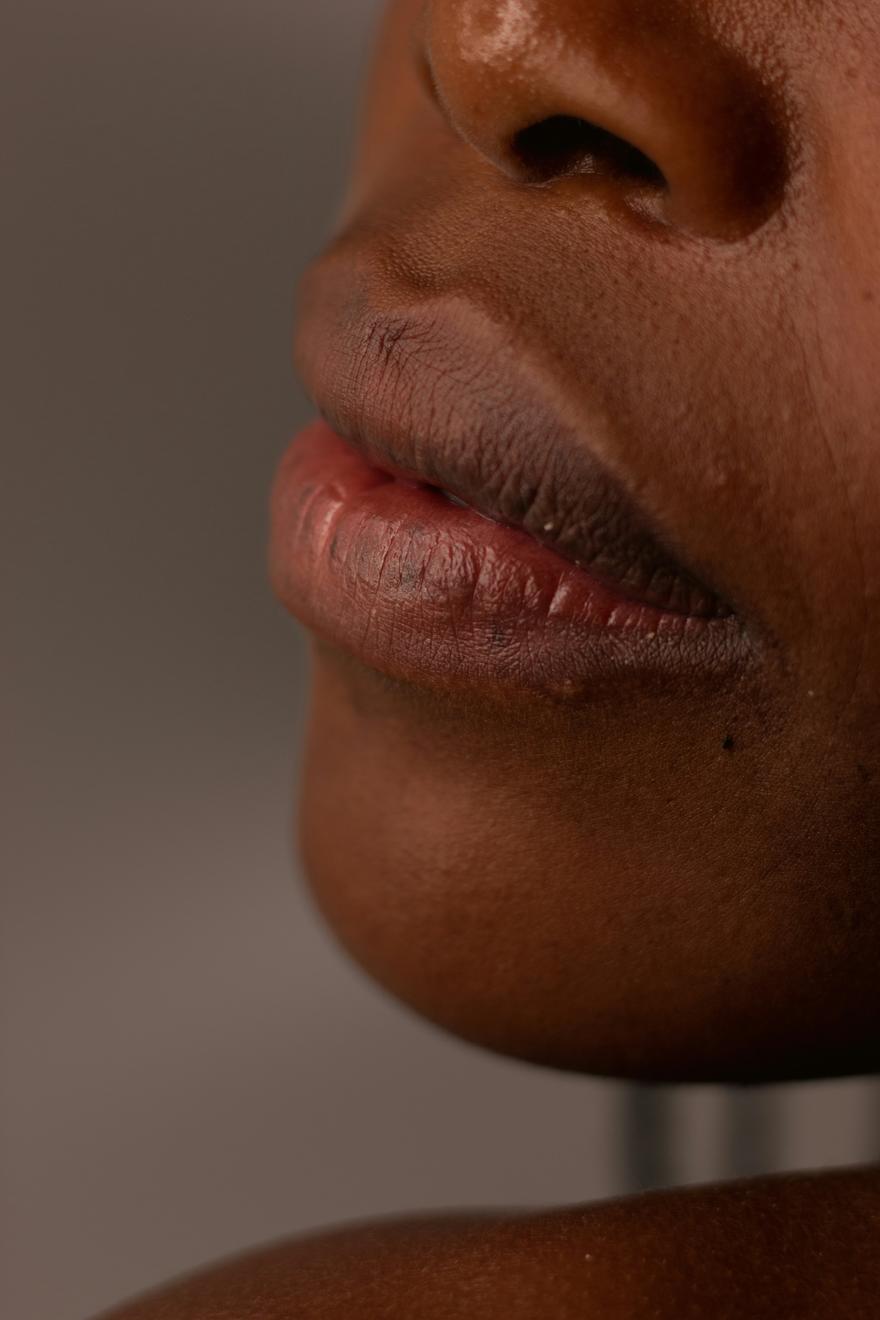
If you’ve had herpes for a while, you might have noticed something strange — your outbreaks often seem to appear in the exact same spot. But then, sometimes… they don’t. So what’s really going on? Why does herpes sometimes stick to one place, and other times decide to surprise you somewhere else?
Let’s break it down.
Where the Virus Hides
Once you’re infected with the herpes simplex virus (HSV-1 or HSV-2), it doesn’t live on your skin — it hides inside your nerve cells near the spine.
- For oral herpes, the virus usually lives in the trigeminal nerve, which connects to areas around the mouth, nose, and face.
- For genital herpes, it typically hides in the sacral ganglia, a bundle of nerves in the lower spine that connect to the genitals, buttocks, and upper thighs.
When the virus reactivates, it travels down those nerve pathways to the skin’s surface — which is why outbreaks often appear in roughly the same general area.
Why Outbreaks Often Show Up in the Same Place
You might get that familiar tingling or burning in the same small spot every time — and that’s no coincidence.
That area of skin is connected to the same nerve branch the virus uses to travel. Think of it as a “favorite exit route.”
Each nerve supplies a specific patch of skin, called a dermatome. So, if your virus lives along one nerve branch, outbreaks will typically recur within that dermatome — not necessarily in exactly the same pore or spot, but usually in the same region.
When the Virus Switches It Up
Sometimes, the virus takes a different exit. You might notice an outbreak nearby — an inch or two away, or even on the opposite side of your body. This doesn’t mean it’s spreading; it’s just following a different nerve ending within the same general area.
Occasionally, outbreaks can even show up in an entirely new place. That can happen when:
- You accidentally autoinoculate (transfer the virus to another body part during an active outbreak). This is very rare once antibodies have developed.
- There’s irritation or broken skin in another location, giving the virus an easier path to surface.
- Your immune system is weakened or stressed, allowing the virus to reactivate more broadly.
What You Can Do
If your outbreaks tend to occur in the same place, it can actually be helpful — you’ll learn to recognize early warning signs and act fast.
Try this approach:
- At the first tingle, apply your chosen treatment — whether it’s antiviral medication or topical support, like Fix It Salve from the Secret Society Wellness line.
- Keep the area dry and clean. Friction and moisture can worsen irritation.
- Support your immune system daily with good sleep, stress management, hydration, and immune-boosting supplements.
And if outbreaks sometimes appear in a slightly new spot, don’t panic — it doesn’t mean things are getting worse. It’s just your body responding to small changes in nerves, skin health, or immune balance.
Herpes tends to come back in the same general area because the virus lives in specific nerve pathways — but that doesn’t mean it’s “locked” to one exact spot.
Some outbreaks might show up in a slightly different place, and that’s completely normal.

0 comments
Leave a comment
Please log in or register to post a comment